
In alignment with the guiding principles of the university’s Supply-Demand Alignment Mechanism and Industry-Academia Alliance Conference, and in response to the evolving demands for interdisciplinary talent in the digital economy era, the Business School convened the “Smart Course Launch and Digital Business Curriculum Development Seminar” on November 26 at Room 319, Business Building, Liangxiang Main Campus. The event aimed to advance the transformation of teaching and learning models toward digitalization and intelligent innovation. Attendees included Xing Hang, Deputy General Manager of iFLYTEK Beijing; Wang Ke, Higher Education Industry Manager; Wang Qiang, Higher Education Market Manager; Shen Youfeng, Higher Education Account Manager; He Yurun, Dean of the Business School; and Qiu Yong, Associate Dean. Representatives from ten digital course development teams also participated in the discussions. The seminar was chaired by Associate Dean Qiu Yong.
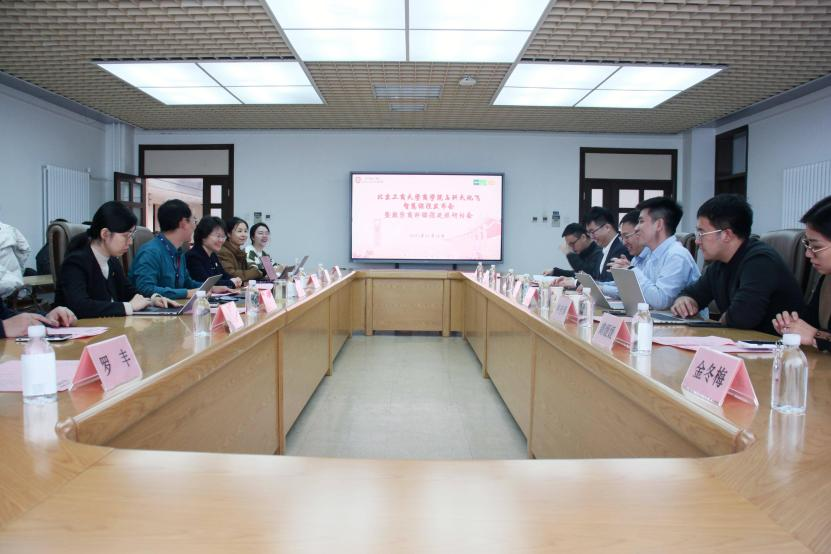
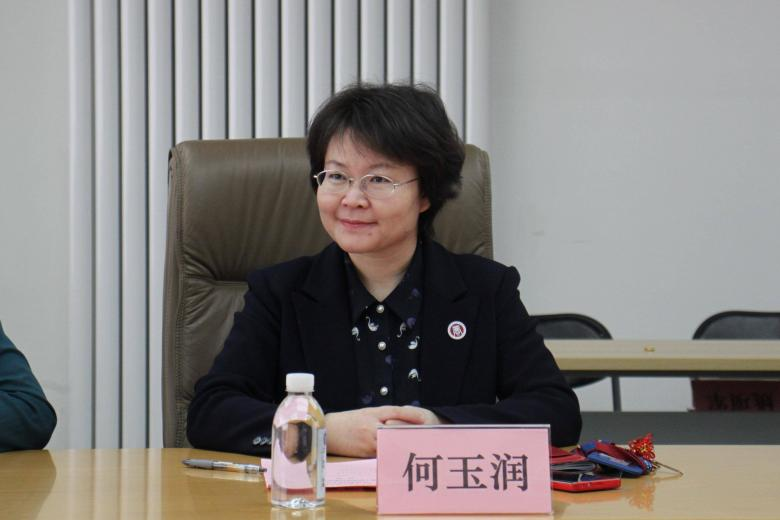
At the opening of the seminar, Dean He Yurun of the Business School delivered a keynote address. She extended her sincere appreciation to the iFLYTEK team, emphasizing that the ongoing curriculum development represents a strategic exploration into digital transformation in higher education. To date, both institutions have gained preliminary insights into effective course design and implementation, laying the groundwork for deeper collaboration with significant potential for future expansion. She further expressed gratitude to all faculty members involved in the ten digital course projects, recognizing their dedication and efficient progress within a tight timeframe, which has collectively established a solid foundation for the School’s digital curriculum reform. Dean He highlighted that we are living in an era marked by both profound opportunities and complex challenges, and that the current wave of digital advancement has created an unprecedented platform for deep industry-academia partnerships. She expressed the hope that this collaboration would extend beyond individual courses to encompass broader initiatives—such as co-developed platforms, internship and training programs, virtual laboratories, and joint pedagogical research—planting seeds across multiple domains. In particular, she underscored the importance of pioneering efforts in frontier areas such as the “Business and Management Concept Large Model,” calling for both parties to proactively seize this historic opportunity, work in synergy, and fulfill their shared mission in advancing education and innovation in the digital age.
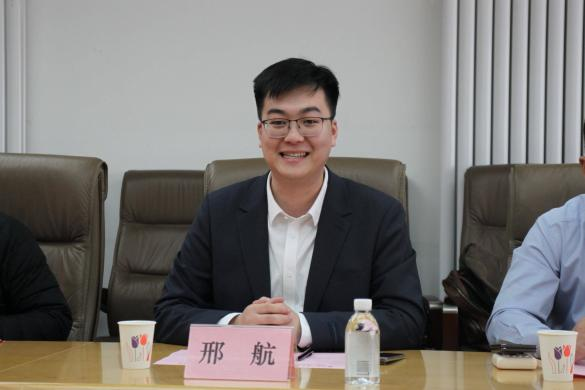
Xing Hang, Deputy General Manager of iFLYTEK Beijing, delivered a speech in which he expressed sincere appreciation for the support provided by the Business School, and extended his gratitude to the faculty members for their openness, collaboration, and understanding throughout the course development process. He emphasized that this seminar should serve as a new milestone in strengthening industry-academia cooperation, and proposed three strategic directions for deepening future collaboration: First, co-develop an integrated platform that unifies next-generation internship practices with curriculum delivery; second, jointly conduct research on “AI+X” interdisciplinary initiatives, leveraging the company’s mature AI capabilities—such as digital employees and intelligent risk control systems—in business education and pedagogical innovation; third, establish seamless pathways between internships and employment by aligning enterprise operational needs with the institution’s talent development framework, thereby fostering mutual benefit and sustainable collaboration between academia and industry.
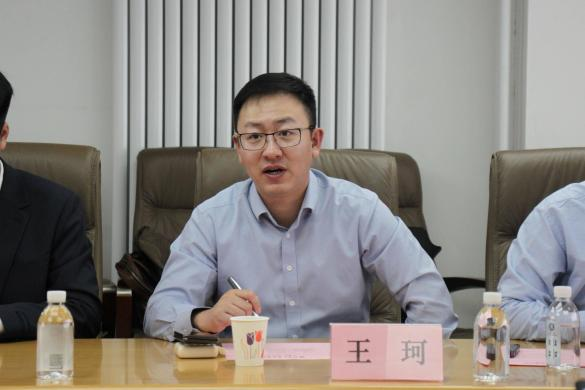
Wang Ke, Higher Education Industry Manager at iFLYTEK, delivered a presentation on the role of technology in driving pedagogical transformation. He highlighted two fundamental shifts enabled by the intelligent course platform: First, the advancement of “cross-disciplinary integration”—the platform’s capacity to intelligently interconnect knowledge points across disciplines supports students in constructing a coherent and systematic knowledge framework. Second, the reengineering of the “teaching evaluation system,” which leverages longitudinal process data to shift the focus from a traditional “credit-based” model to a competency-driven paradigm. By establishing a well-defined “competency map,” the platform enables instruction to center on measurable “competency development,” thereby ensuring authentic knowledge application and precise alignment with real-world job requirements.
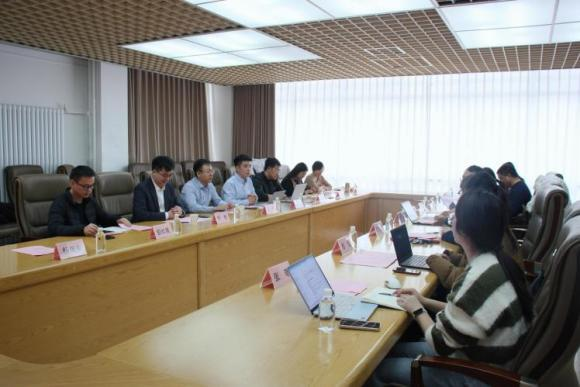
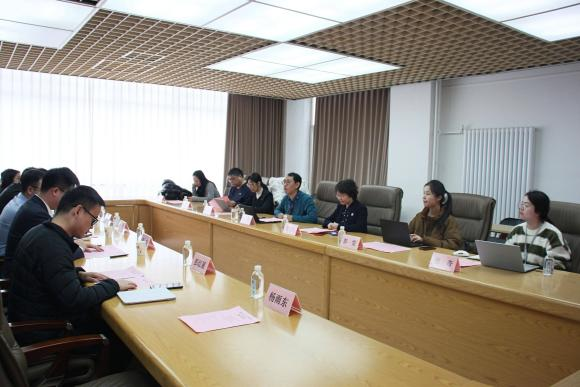
During the subsequent discussion session, faculty members and enterprise representatives engaged in an in-depth dialogue on course design specifics and future functional requirements. Drawing upon their practical teaching experiences, the educators offered constructive feedback and actionable insights, which serve as valuable input for the ongoing optimization and iterative development of the intelligent course platform.
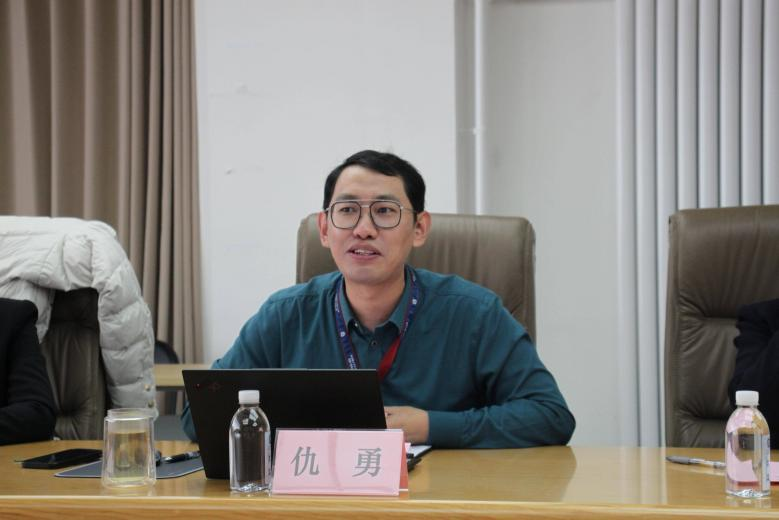
Finally, Associate Dean Qiu Yong of the Business School delivered the closing remarks. He expressed sincere appreciation to the iFLYTEK team and all participating faculty members for their insightful contributions. Moving forward, both parties will strengthen ongoing communication and collaboration to continuously advance the iterative enhancement and functional refinement of the curriculum.
The seminar signifies that the School has entered a new phase of deep industry-education integration in digital business education, characterized by collaborative innovation and shared development goals. It establishes a solid foundation for cultivating well-rounded, high-caliber digital business professionals equipped to meet the demands of the digital economy era.