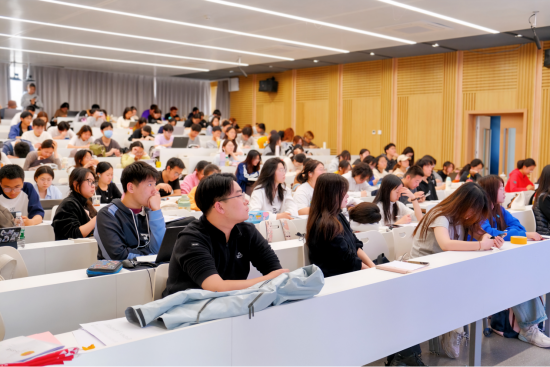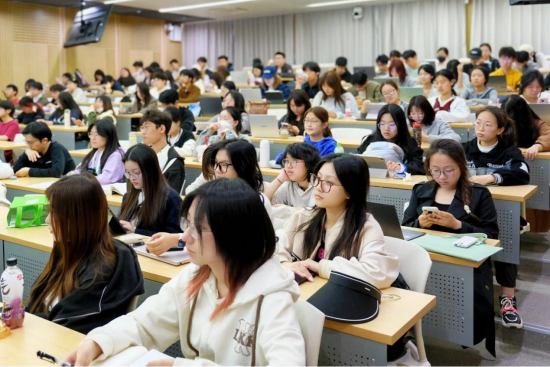
On March 26, the Business School hosted an experience sharing session on innovation competitions as part of the “AI Business Innovation” series. Zhang Yue, Deputy Party Secretary of the Business School, along with counselor Li Jiaxin and more than 200 students, attended the event.
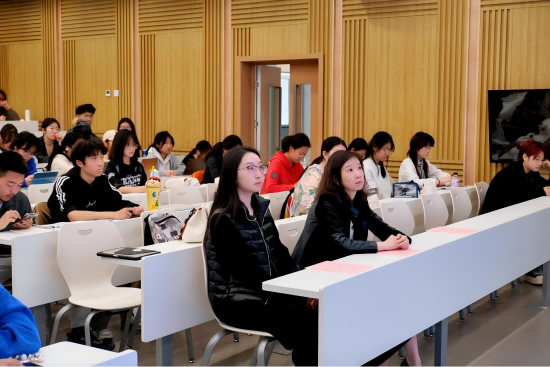
The School meticulously organized and curated the event, inviting four distinguished “Gold Medal Mentors”—senior students and alumni with extensive competition experience—to deliver practical guidance. Each mentor focused on one of the four thematic tracks: “Chengju AI” (Artificial Intelligence+), “Qingzhi Future” (New Quality Productivity), “Qingzhen Jingjiao” (Rural Revitalization), and “Qingli Jiage” (Social Governance). They delivered systematic presentations on competition essentials, project incubation pathways, and insights from their personal development journeys.
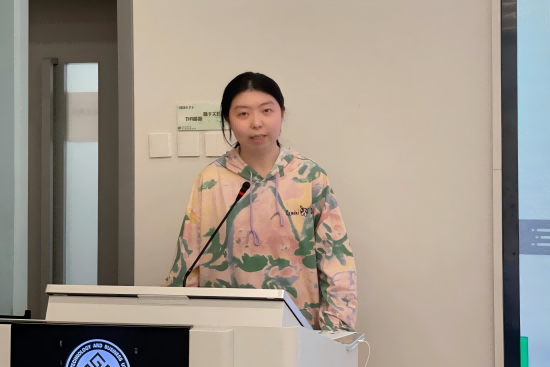
Wang Shuaixin, a postgraduate student majoring in Enterprise Management and recipient of the Gold Award in the Challenge Cup Special Competition as well as multiple provincial-level and national awards, shared her insights through a real-world case study. Using the Qingzhen Jingjiao project in Huangshan Store Village as an example, she presented a comprehensive overview of the competition preparation process. She emphasized that participation enhances rapid problem-solving capabilities, fosters cross-disciplinary teamwork, and builds practical understanding in fields such as rural revitalization. “Competitions are not merely contests,” she remarked, “but platforms for growing alongside outstanding peers.” She encouraged junior students to embrace challenges with confidence and find fulfillment in the journey.
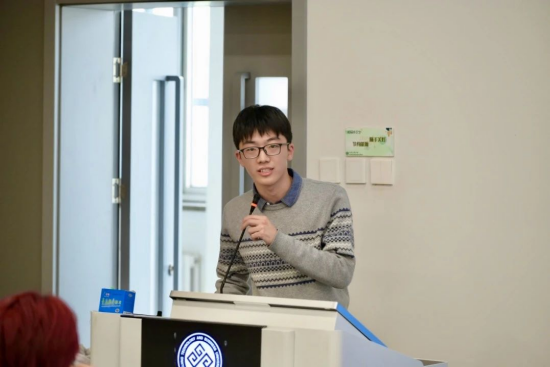
Su Komu, an undergraduate student in Supply Chain Management and recipient of four provincial awards in the Challenge Cup and the China International College Students Innovation Competition, focused on the critical aspects of competition PPT design and shared valuable insights. Drawing on a case study of an industrial supply chain logistics project, he delivered a systematic walkthrough of the PPT development process—from conceptual structuring to final design execution. He emphasized that high-quality presentation design hinges on three core elements: color scheme, typography, and logical coherence. His guidance offered students practical strategies for enhancing both the professionalism and visual impact of their presentations.
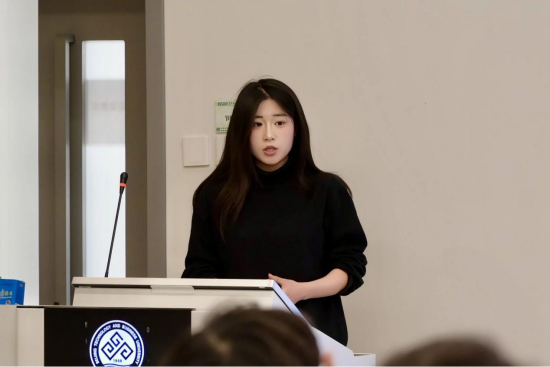
Zhang Pengran, an undergraduate student majoring in Accounting and recipient of the National Silver Award in both the China International College Students Innovation Competition and the National Innovation and Entrepreneurship Competition for Finance Universities, shared insights from her competition experience. She systematically outlined the full project lifecycle—from team formation and track selection to project implementation—emphasizing that successful project development must be grounded in thorough research, market demand analysis, and the delivery of practical, actionable solutions. Using a Youth Revitalization Special Project in Huairou District as a case study, she guided students through a structured analysis that helped build a comprehensive cognitive framework for understanding academic competitions.
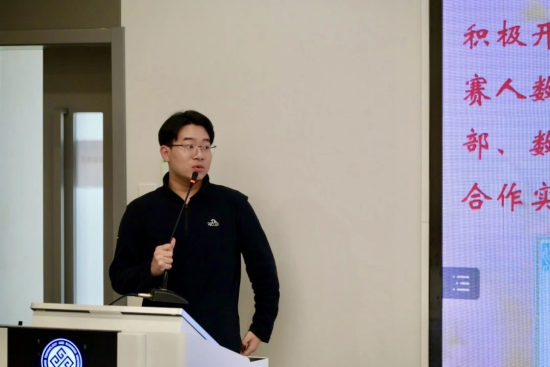
The Business School has consistently adhered to the guiding principle of “integration of business and industry,” actively advancing the development of high-caliber innovative talent. Leveraging the Challenge Cup series of competitions, the School encourages students to fully harness their interdisciplinary strengths, aligning their efforts with major national needs by focusing on key thematic areas such as artificial intelligence, new quality productivity, rural revitalization, and social governance. By applying professional knowledge to address real-world challenges and employing innovative thinking to generate social value, students demonstrate a strong sense of youthful responsibility in contributing to the economic and social development of both the nation and the capital city.