
On November 27, the Seminar on Business Management Discipline Development was successfully held in the conference room on the second floor of the West Comprehensive Building at Fucheng Road Campus. University Party Committee Standing Committee Member and Associate President Mao Xinshu attended the meeting and delivered an opening speech. Experts and scholars from institutions including Peking University, Renmin University of China, University of International Business and Economics, Beijing Jiaotong University, Beijing University of Posts and Telecommunications, University of Science and Technology Beijing, and Chinese Academy of Fiscal Sciences were invited to participate. Also in attendance were Guo Xinyuan, Director of the Graduate Student Affairs Office; members of the School’s leadership team; department chairs and center heads; and staff from the Graduate School (Discipline Development Office). The seminar was chaired by Fan Jiangtao, Secretary of the Business School Party Committee.
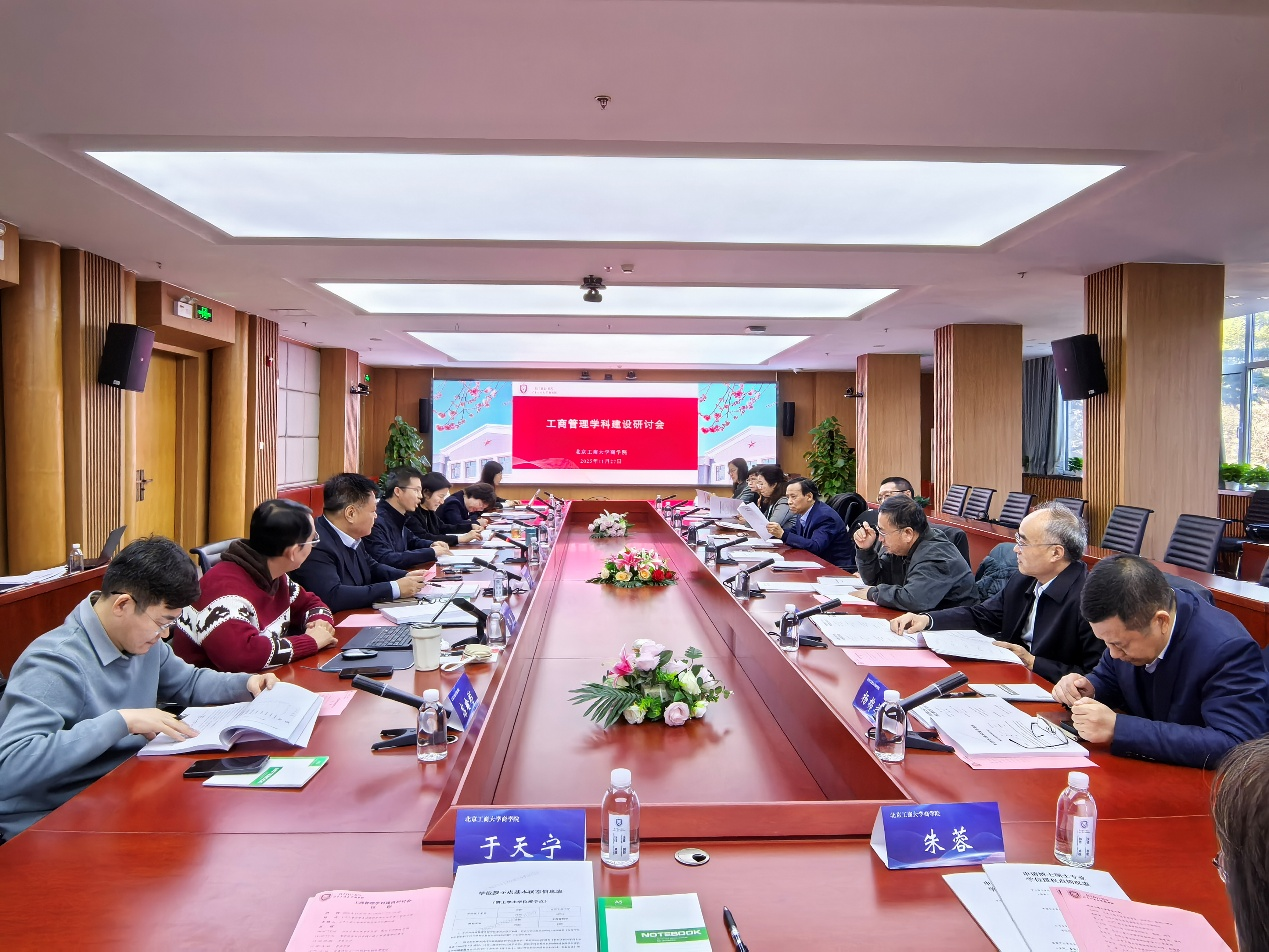
Professor Mao Xinshu, Associate President of the university, warmly welcomed the attending experts on behalf of the institution. He provided a concise overview of the university's profile and underscored the pivotal role of the Business Management discipline within the university’s strategic development framework, highlighting its goal to advance into the top tier (Grade A). He expressed hope that this seminar would facilitate a precise evaluation of the discipline’s current standing, clarify key areas for future advancement, and lay a robust foundation for the discipline’s substantive growth and its contribution to the “Double First-Class” initiative.
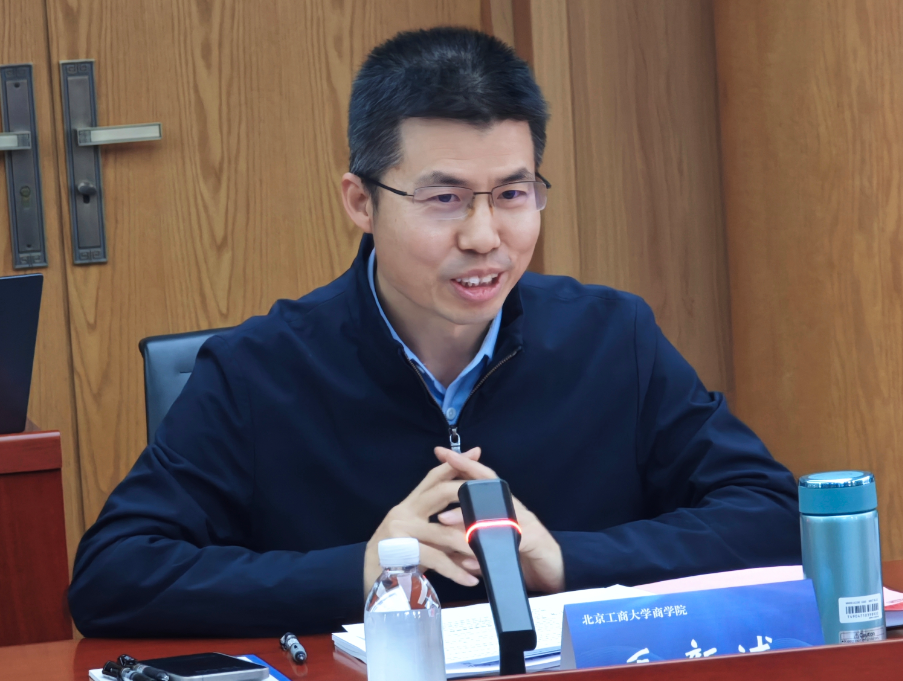
Professor He Yurun, Dean of the Business School, presented a comprehensive report on the development of the Business Management discipline, focusing on three key aspects: its foundational status, current progress, and future directions. The report systematically reviewed the discipline’s historical evolution, existing strengths, distinctive advantages, achievements in talent cultivation, scientific research, and social contributions. It also conducted a comparative analysis of the discipline’s strengths and areas for improvement. In alignment with Beijing’s strategic positioning and requirements for the university’s digital transformation in business education, as well as the university’s distinctive advantages in light industry and food-related sectors, Professor He provided an in-depth analysis of the discipline’s practices in advancing digital transformation and promoting the integration of business and industry. The report further outlined strategic plans for the discipline’s pursuit of top-tier (Grade A) status, emphasizing initiatives such as leveraging digital business studies to support the high-quality economic development of the capital, strengthening financial oversight to foster economic growth, deepening the integration of business and finance to facilitate “business-industry integration,” and enhancing smart logistics and supply chains to improve industrial chain security and resilience.
During the expert commentary session, the attending experts fully acknowledged the achievements made in the Business Management discipline and offered a series of valuable suggestions regarding its future development direction. The experts emphasized that discipline development should further refine its distinctive characteristics by integrating with the university’s strengths in the light industry and food sectors, as well as aligning with major national strategies such as “Beautiful and Healthy China” and “Happy China,” thereby strengthening the discipline’s relevance to real-world issues and its societal value. Regarding the cultivation of high-level talents, the experts highlighted the need to enhance doctoral students’ academic training, improve the quality of education, and increase the discipline’s appeal to attract more outstanding students from other institutions to pursue doctoral degrees. They also encouraged these talents to contribute to local development after completing their studies. Concerning scientific research innovation and faculty development, the experts pointed out current shortcomings, such as inadequate incentives for research achievements and limited platform support, as well as the concentration of high-level research outputs among a small number of individuals. To address these issues, they recommended increasing incentives for award-winning achievements, improving the construction of research platforms, fostering a more dynamic and structurally optimized faculty, implementing categorized faculty development programs, and enhancing overall team vitality.
Furthermore, the experts suggested that the discipline should further strengthen its role in social services, particularly in enhancing its capacity and contributions to Beijing’s regional development, thereby achieving synergy between discipline advancement and local progress. In his remarks, Guo Xinyuan, Director of the Graduate Student Affairs Office, expressed gratitude for the experts’ insightful suggestions. He stated that the outcomes of the seminar would be carefully reviewed, absorbed, and integrated into future discipline development and graduate education efforts to jointly promote the high-quality development of the Business Management discipline.
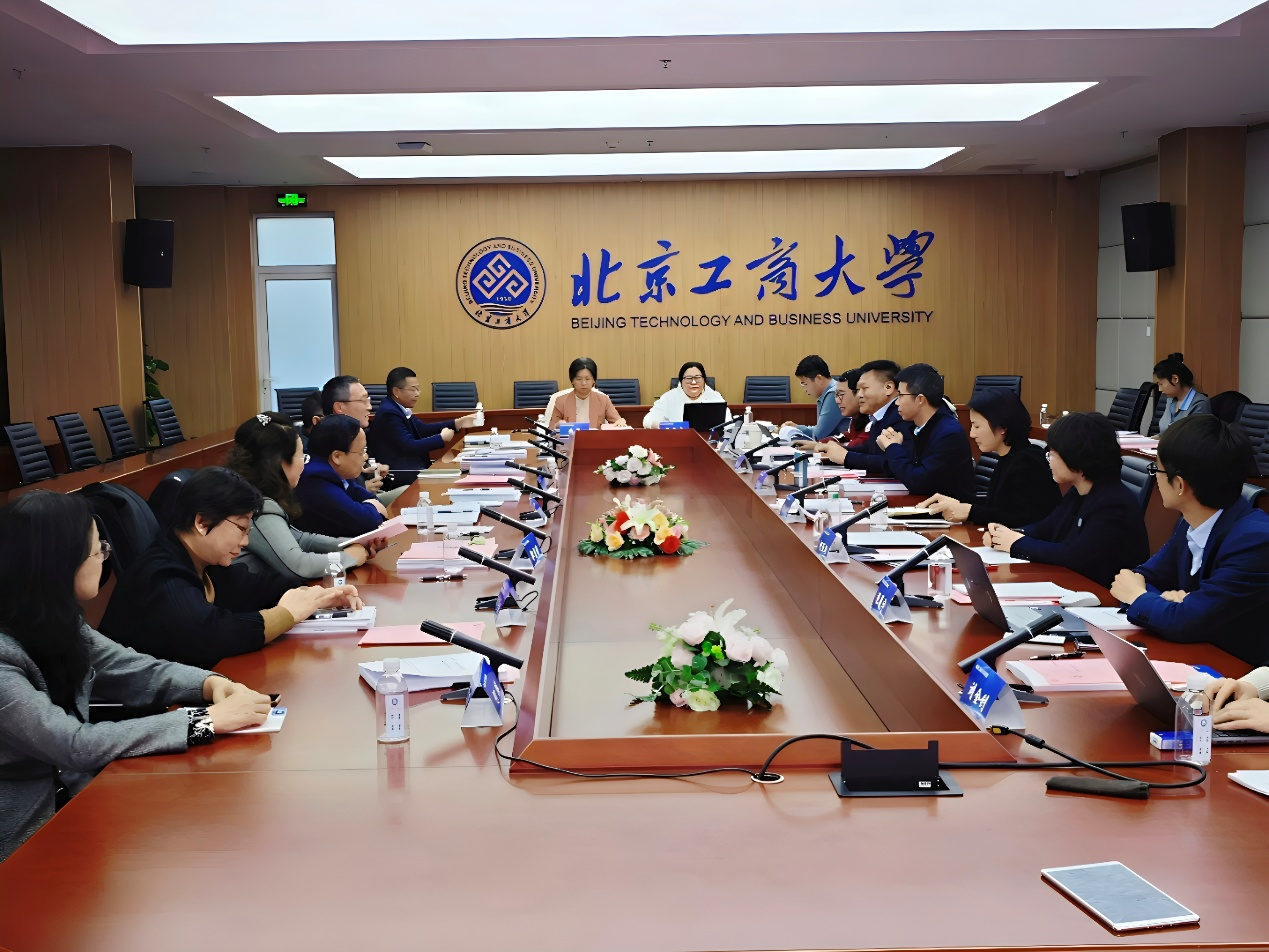
This seminar served as one of the key activities in the school’s discipline development efforts. Through the expert review, the discipline’s current challenges and directions were clarified, providing valuable insights for its future growth. The school will seize this opportunity to systematically review and incorporate the experts’ recommendations, accelerate the development of “Double First-Class” disciplines, and contribute to the university’s advancement as a high-level research institution.