
Recently, the Standing Committee member of the University Party Committee and Associate President Mao Xinshu held a face-to-face symposium with representatives of faculty members from the Business School, the Party branch of the New Business Youth Innovation Center, as well as teachers and students from the Accounting Class 241. The purpose of the meeting was to gain insights into the development of grassroots Party branches and class construction, and to express care and support for the growth of both faculty and students. Attendees included Fan Jiangtao, Secretary of the Party Committee of the Business School; Zhang Yue, Deputy Secretary of the Party Committee; Dai Yue, a staff member from the University Party and Administrative Office; Shi Jinlian, Professor from the Department of Organizational Management; Yang Yudong, a young faculty member; Guo Haojing, homeroom teacher of Accounting Class 241; as well as counselors Guo Jianrong and Liu Xinchen. The meeting was chaired by Fan Jiangtao, Secretary of the Party Committee of the Business School.
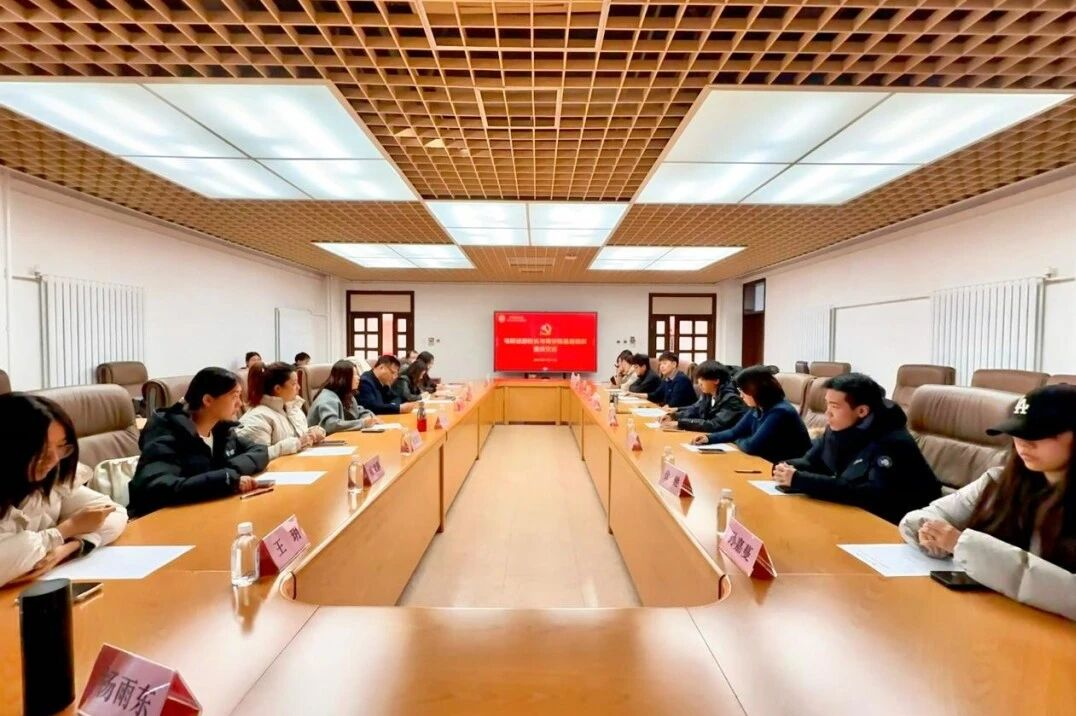
This symposium has established a vital bridge for two-way communication between university leadership and faculty and students, highlighting the institution’s commitment to a people-centered development philosophy. By gaining a comprehensive understanding of the thoughts, work, studies, and daily lives of teachers and students, and by focusing on their genuine needs and suggestions for personal growth and educational improvement, the event has laid a solid foundation for the high-quality advancement of the university.

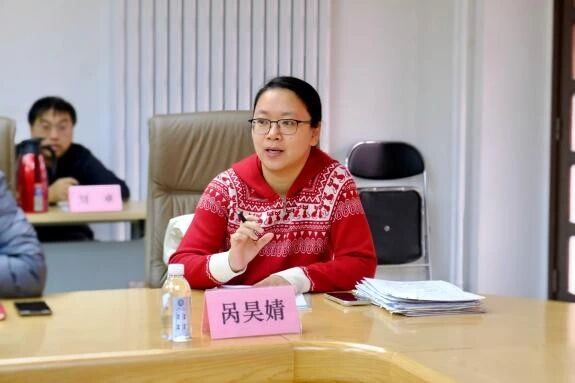
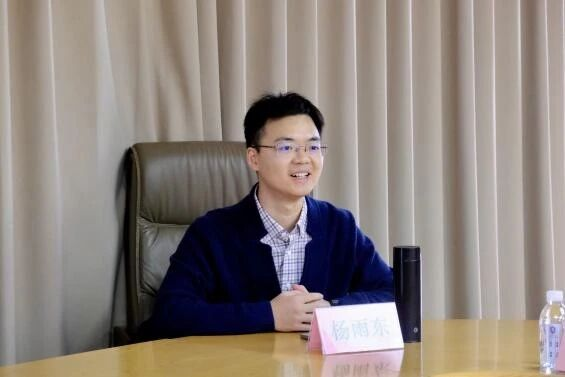
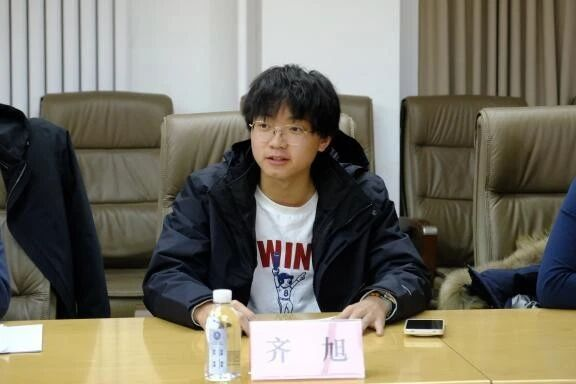
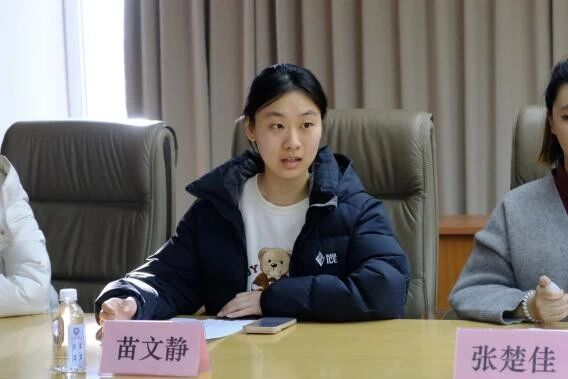
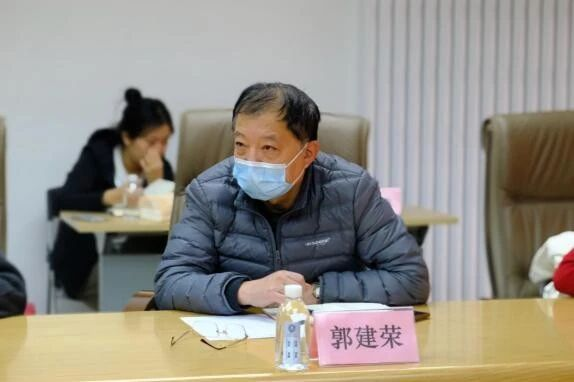
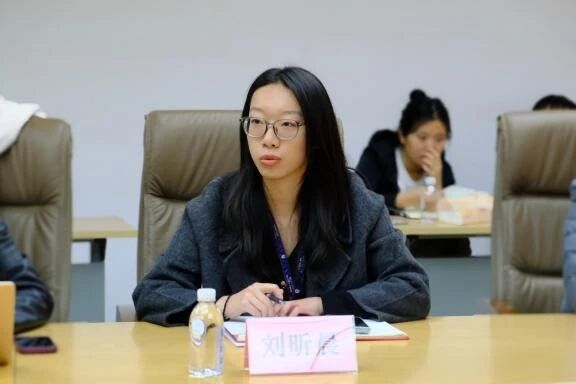

During the symposium, Shi Jinlian, a non-party member representative, shared her insights on the current state of tourism management as a discipline, focusing on the development of micro-specializations and the integration of interdisciplinary approaches. Young faculty member Yang Yudong recounted his personal journey in exploring innovative teaching methods and advancing academic research. Student representatives from the Party branch of the New Business Youth Innovation Center delved into the deepening practice of “industry-business integration,” drawing from their experiences in interdisciplinary competitions and community service to explore feasible pathways for cross-school collaboration and the implementation of outcomes. Teachers and students from Accounting Class 241 presented a comprehensive report on the class’s achievements in ideological guidance, academic ethos cultivation, and social practice. They engaged in in-depth discussions on key topics such as academic planning, career development, and the enhancement of practical skills, reflecting on the integration of professional learning with practical education. Associate President Mao listened attentively to the remarks, engaged in cordial exchanges with the participants, provided thoughtful responses to their questions, and offered practical guidance for advancing relevant initiatives and supporting the growth of faculty and students.
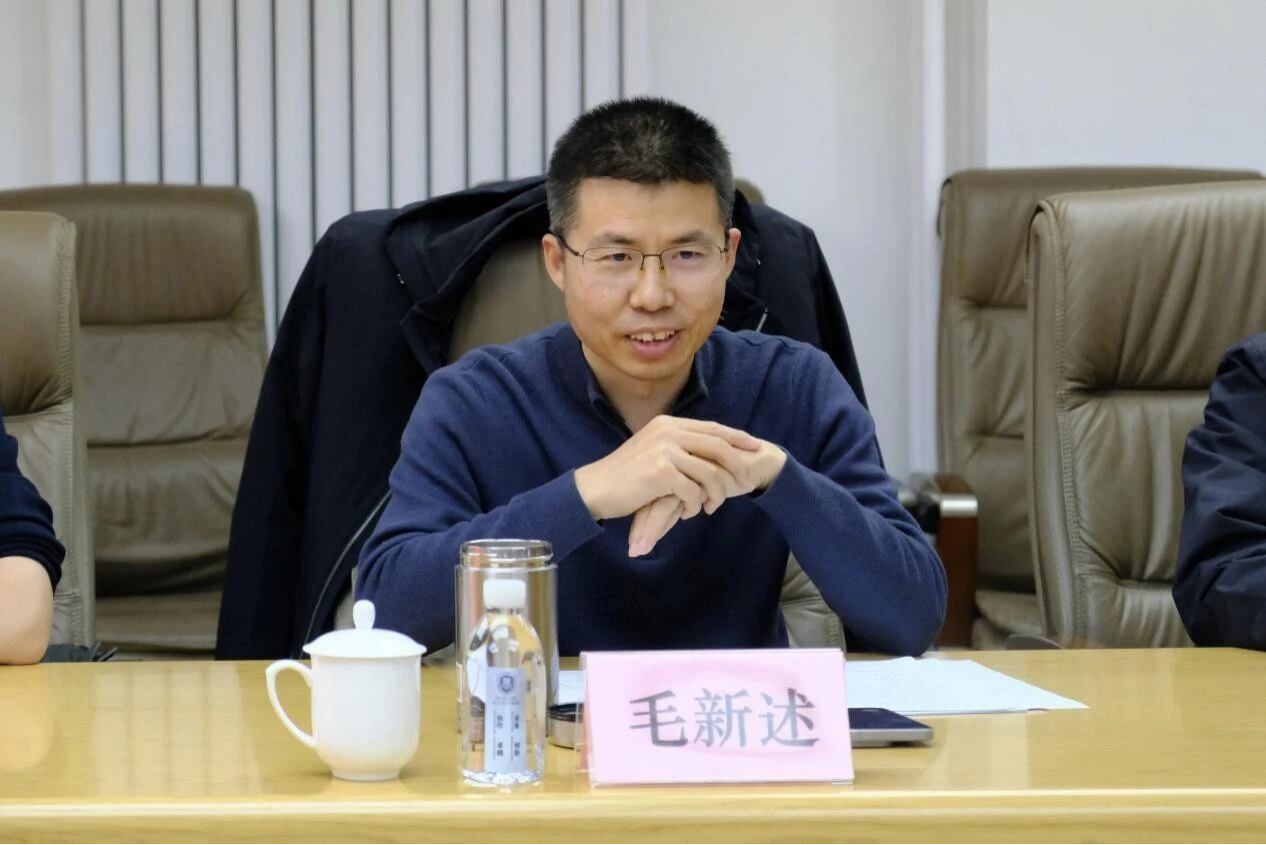
During the exchange session, Associate President Mao Xinshu outlined three key directives grounded in the university’s developmental context and the evolving needs of its academic community. First, it is imperative to adopt a scientifically structured approach to development planning and strengthen core competitiveness through foundational consolidation. The sophomore year represents a pivotal phase for objective-setting, during which students should not only attain proficiency in their specialized curricula but also formulate coherent academic and professional pathways. This requires avoiding trend-driven choices and instead building a robust groundwork for future advancement through enhanced disciplinary expertise and holistic capabilities. Second, deepening reform in education and pedagogy is essential to cultivating innovation via interdisciplinary synergy. Efforts should focus on accelerating the implementation of “industry-commerce integration,” refining mechanisms for cross-disciplinary collaboration, optimizing the disciplinary architecture, advancing digital business education initiatives, and improving team-based learning frameworks. These measures will collectively establish a more dynamic and supportive ecosystem for innovation and development among faculty and students. Third, mobilizing the collective commitment of teachers and students toward the pursuit of excellence is vital for fostering shared growth. All members of the university community should maintain a clear understanding of the institution’s developmental direction and fully acknowledge its recent transformative achievements in areas such as discipline enhancement and international accreditation. Faculty must remain steadfast in their dedication to educating future generations, while students should develop a strong sense of professional identity and confidence. Through collaborative effort, they can meaningfully contribute to the university’s continuous advancement toward higher quality and impact.
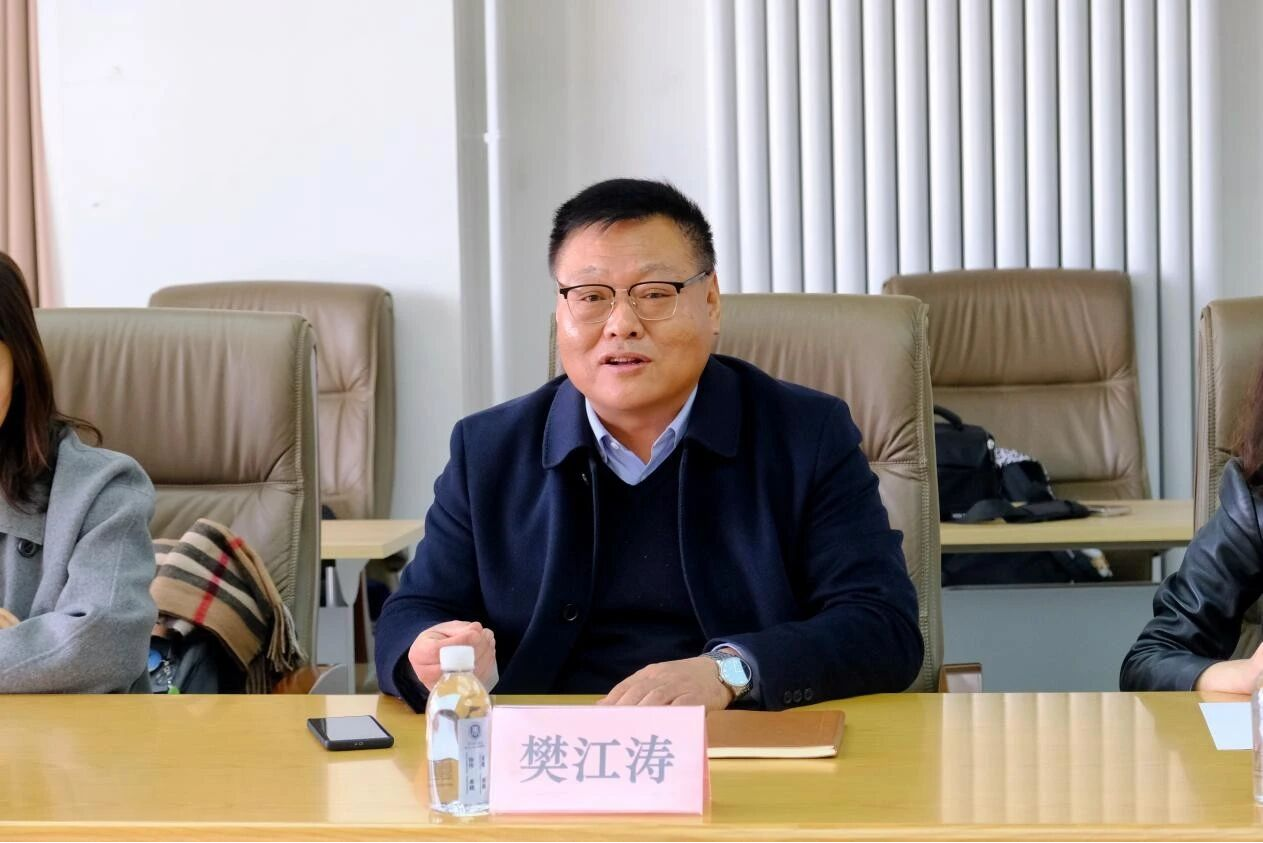
In his concluding remarks, Secretary Fan Jiangtao stated that this symposium has established an efficient platform for communication between the university and the school. He noted that Associate President Mao’s guidance has pointed the way for the development of both faculty and students. All members of the school, he emphasized, should deeply comprehend the two key requirements of “goal-oriented thinking” and “grounding efforts in the present”: while aspiring to lofty ideals, they must also diligently accomplish tasks at the current stage. The school will unite all forces to thoroughly implement the spirit of the Fourth Plenary Session of the 20th Central Committee, align with the goal of building a strong education system, foster a new collaborative education ecosystem, jointly promote innovation in business education, and contribute greater business expertise to the high-quality development of the university.
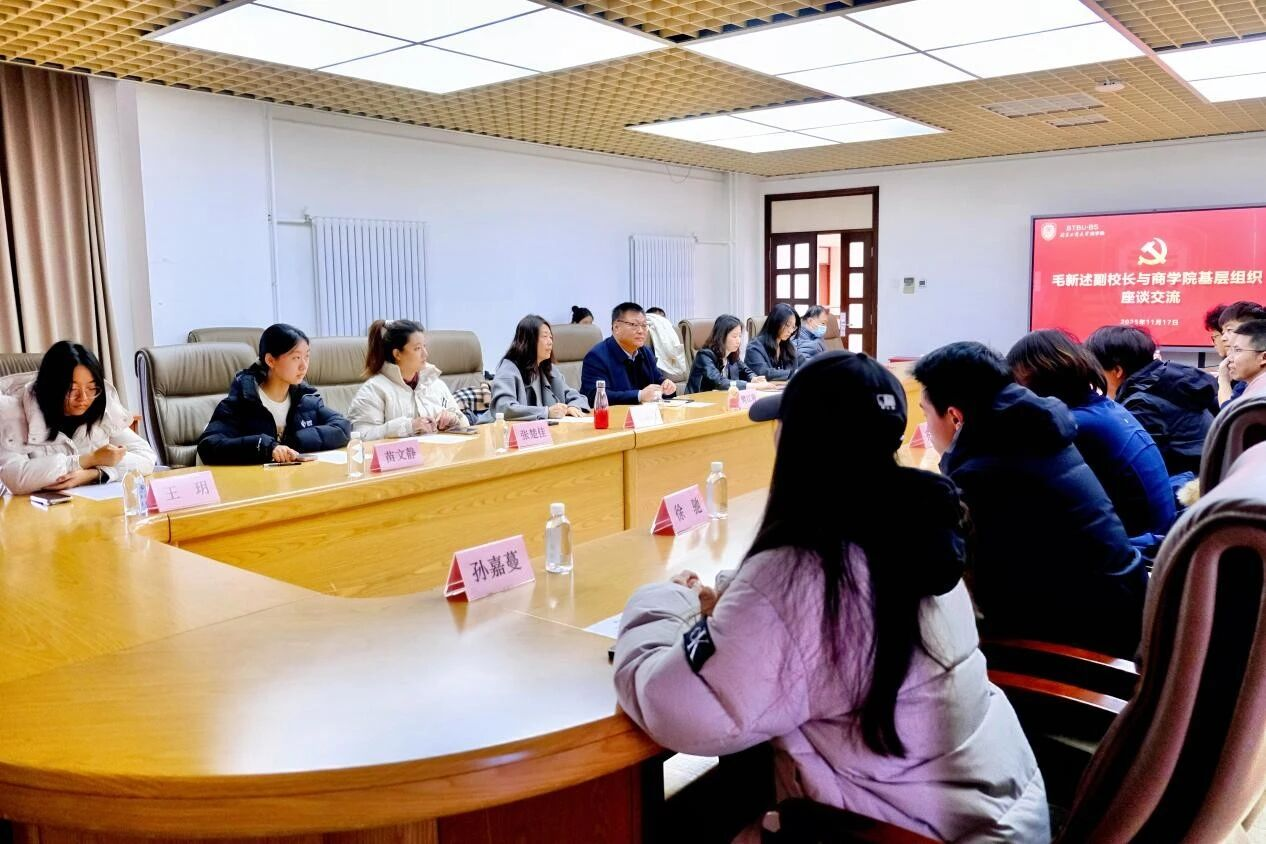
This symposium has effectively established a direct communication channel between faculty, students, and university leadership, helping participants gain a clearer understanding of their personal development within the broader context of the university’s overall planning. Attendees deeply felt the institution’s strong commitment to both school development and individual growth. They expressed that this exchange would serve as a driving force to integrate personal aspirations into the university’s mission, approaching future studies and work with greater enthusiasm and unwavering confidence.